
Estate Cleanout vs. Whole House Cleanout: What's the Difference?

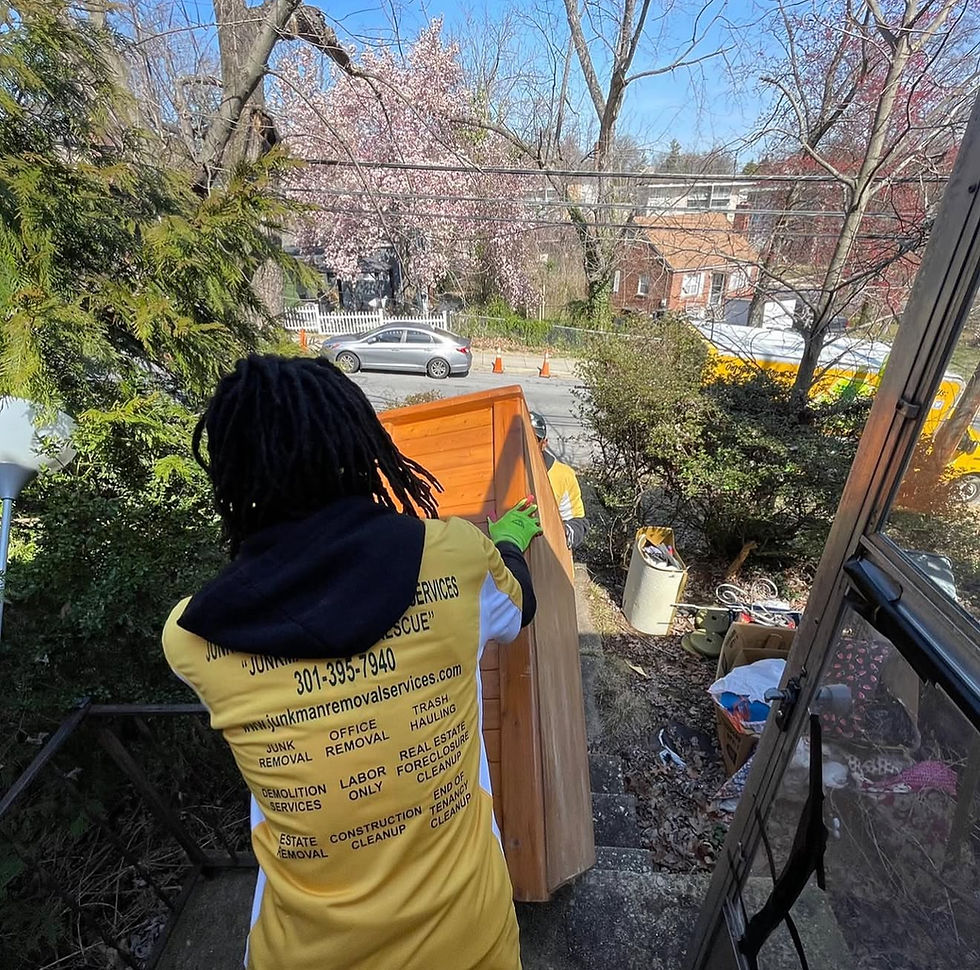
When a home is filled with unwanted furniture, appliances, personal belongings, and household clutter, figuring out where to begin can feel overwhelming.
Two services that often come up are estate cleanouts and whole house cleanouts. While both involve removing unwanted items from a property, they are typically requested for different reasons.
Understanding the difference between an estate cleanout vs whole house cleanout can help homeowners, families, estate representatives, and property managers choose the right approach for their situation.
Whether you're preparing a property for sale, managing a loved one's estate, or clearing years of accumulated belongings, this guide explains what each service involves, when it's needed, and what to expect.
What Is an Estate Cleanout?
An estate cleanout involves removing unwanted belongings, furniture, appliances, and household contents from a property, often following the death of a family member or during an estate transition.
These projects frequently involve family members, executors, estate representatives, or real estate professionals who are responsible for preparing a property for its next chapter.
Common reasons for an estate cleanout include:
Settling a deceased family member's estate
Preparing an inherited property for sale
Downsizing or transitioning into assisted living
Clearing a home after probate-related decisions
Removing belongings before renovations
Preparing a property for new occupants
Estate cleanouts often require additional planning because some belongings may have sentimental, financial, or legal significance.
Before removal begins, families and authorized representatives should identify important documents, valuables, photographs, heirlooms, and items that need to be retained.
For additional preparation tips, read our Estate Cleanout Guide: How to Prepare for an Estate Cleanout.
What Is a Whole House Cleanout?
A whole house cleanout involves clearing unwanted items from multiple rooms or areas throughout a residential property.
Unlike estate cleanouts, whole house cleanouts are not necessarily connected to an estate or family transition.
Homeowners may request this service when moving, renovating, downsizing, preparing a home for sale, or simply removing years of accumulated clutter.
A whole house cleanout may include:
Living room and bedroom furniture
Mattresses and bed frames
Appliances
Garage contents
Basement clutter
Attic storage
Boxes and household goods
Unwanted shelving
General non-hazardous debris
The goal is to clear designated unwanted items efficiently so the property can be cleaned, renovated, organized, sold, or occupied.
Estate Cleanout vs. Whole House Cleanout: Key Differences
Although both services involve junk removal and property clearing, several factors distinguish them.
Factor | Estate Cleanout | Whole House Cleanout |
Primary purpose | Estate settlement or major life transition | General property clearing |
Typical customer | Family, executor, estate representative | Homeowner, investor, property manager |
Item sorting | Often involves heirlooms and personal records | Usually focuses on unwanted household items |
Planning | May require family coordination and authorization | Usually coordinated by the property owner or authorized customer |
Timeline | May depend on estate decisions | Often based on moving or renovation schedules |
Removal scope | Selected belongings or most household contents | Selected rooms or the entire property |
The biggest difference is usually the reason for the cleanout and the planning involved—not necessarily the amount of junk being removed.
A whole house cleanout can be just as large and labor-intensive as an estate cleanout.
When Should You Schedule an Estate Cleanout?
An estate cleanout may be the better fit when you're handling a property as part of an inheritance, family transition, or estate settlement.
These situations often require coordination among several people.
Before scheduling removal, consider whether:
Family members have identified belongings they wish to keep
Important paperwork and valuables have been secured
The authorized decision-maker has approved removal
Donation or distribution arrangements have been completed
The property has a target listing, closing, or turnover date
If the estate is still being administered, confirm that the person authorizing removal has the necessary authority and that any applicable legal requirements have been addressed.
Professional estate cleanout services can assist with the physical removal process once those decisions are made.
When Is a Whole House Cleanout the Better Option?
A whole house cleanout may be appropriate when the main objective is removing unwanted contents from a property rather than administering an estate.
Common situations include:
Preparing a Home for Sale
Removing unwanted furniture and clutter can make it easier to clean, photograph, stage, or renovate a property before listing.
Moving or Downsizing
Homeowners may need to remove items that won't fit into their next residence.
Renovating a Property
Clearing furniture, appliances, and household belongings can help contractors access the areas where work will take place.
Clearing Years of Accumulated Clutter
Basements, garages, spare bedrooms, and storage areas can gradually fill with items that are no longer needed.
Preparing a Vacant Property
Property owners and investors may need unwanted contents removed before cleaning, repairs, or occupancy.
What Items Can Be Removed During Either Cleanout?
Both estate cleanouts and whole house cleanouts may involve many of the same household materials.
Common items include:
Sofas, chairs, tables, and dressers
Mattresses and bed frames
Refrigerators, washers, and dryers
Boxes and miscellaneous household items
Garage and basement contents
Old shelving and storage units
Exercise equipment
Carpets and other accepted materials
Items requiring special handling—such as chemicals, paints, fuels, certain batteries, and hazardous waste—should be identified before scheduling removal.
Acceptance and disposal requirements vary by material and location.
For guidance on unwanted furniture, see our Furniture Removal Guide: What to Keep, Donate, Recycle, or Dispose Of.
How Long Does an Estate or Whole House Cleanout Take?
The time required depends on the property's size, the amount of material being removed, and the complexity of the job.
Factors affecting the timeline include:
Number of rooms and floors
Volume and weight of belongings
Stairs and loading access
Number of workers needed
Number of truckloads
Furniture disassembly
Sorting or special handling requirements
Smaller projects may be completed in several hours, while large or heavily furnished properties may require a full day or multiple days.
Estate projects may also take longer to prepare because families need time to make decisions about personal belongings before the removal crew arrives.
How Much Does an Estate Cleanout vs. Whole House Cleanout Cost?
There is no universal price for either service.
Both estate and whole house cleanout costs generally depend on the amount of material, labor requirements, access conditions, and disposal needs.
A property with several rooms of furniture, appliances, and household junk will typically require more resources than a smaller cleanout.
Additional factors can include heavy items, multiple flights of stairs, extended loading time, and multiple truckloads.
An estate cleanout isn't automatically more expensive than a whole house cleanout. The actual scope of work is what matters most.
For more information about pricing factors, read How Much Does Junk Removal Cost in Maryland?
How to Prepare for Either Type of Cleanout
Preparation can help the removal process go more smoothly.
Start by walking through the property and identifying which items should remain.
Separate belongings into categories such as keep, donate, recycle, sell, and remove.
For estate-related projects, secure personal records, financial documents, jewelry, photographs, and sentimental belongings before the removal crew arrives.
Make sure the property is accessible and communicate any stairs, parking restrictions, elevators, or unusually heavy items in advance.
Photos of the areas being cleared can also help a junk removal company understand the project's scope and provide an initial estimate.
Professional Estate and Whole House Cleanout Services in Maryland, DC, and Northern Virginia
Junkman Removal & Disposal Services assists homeowners, families, estate representatives, real estate professionals, and property managers with residential property cleanouts throughout Maryland, Washington, D.C., and Northern Virginia.
Our services can include the removal of unwanted furniture, appliances, mattresses, household junk, garage contents, basement contents, and other accepted materials.
Whether you're coordinating an estate transition or preparing an entire home for its next occupant, professional junk removal can help reduce the physical demands of clearing the property.
Explore our Estate Cleanout Services and Residential Junk Removal Services to learn more.
Need an Estate Cleanout or Whole House Cleanout?
Not sure which service best fits your situation?
Junkman Removal & Disposal Services can help you evaluate the amount and type of material that needs to be removed and discuss the next steps for your project.
Whether you're handling an inherited property, preparing for a move, or clearing a home before renovations, our team can assist with the lifting, loading, hauling, and appropriate disposal of accepted items.
Contact Junkman Removal & Disposal Services today to request an estimate for your property cleanout.
Frequently Asked Questions
Is an estate cleanout the same as a whole house cleanout?
Not exactly. An estate cleanout typically involves clearing belongings during an estate settlement or major life transition. A whole house cleanout focuses on removing unwanted items throughout a property for reasons such as moving, renovations, downsizing, or preparing a home for sale.
Does an estate cleanout have to involve the entire house?
No. An estate cleanout can involve selected rooms, specific belongings, or most of the contents of a property, depending on what the authorized representative needs removed.
How much does a whole house cleanout cost?
Pricing depends on the volume and type of material, labor, access, disposal requirements, and number of loads. A property assessment or photos can help establish an estimate.
Can Junkman remove furniture and appliances during an estate cleanout?
Yes. Junkman Removal & Disposal Services can remove accepted furniture, appliances, mattresses, household junk, and other materials during an estate or residential cleanout.


Comments